Small Space, Big Impact: Interior Design Tips for Urban Apartments
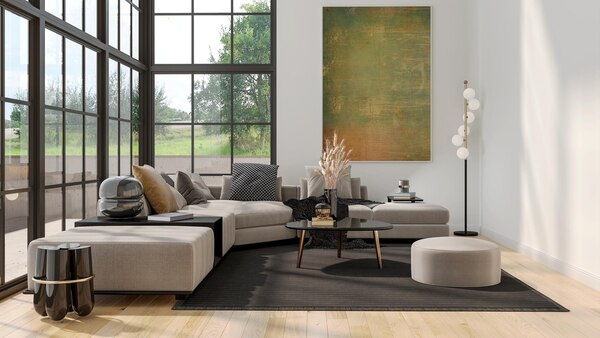
Living in a compact city apartment doesn’t mean sacrificing style or comfort. With thoughtful planning and smart design choices, even the smallest space can feel inviting, functional, and surprisingly spacious. Below are practical, realistic tips to help you get the most out of your urban home.
1. Start with a Clear Purpose for Every Area
In a small apartment, every square meter should work hard.
- Define zones: sleeping, working, relaxing, eating—even if they all share one room. Use rugs, lighting, or furniture placement to visually separate areas without building walls.
- Avoid “dead zones”: corners, hallways, and oddly shaped nooks are prime real estate for storage, reading corners, or compact desks.
- Edit ruthlessly: if a piece of furniture doesn’t serve a purpose, it’s taking up valuable space.
2. Choose Furniture That Multitasks
Multi-functional furniture is the backbone of smart small-space design.
- Sofa beds or daybeds: perfect for studios or one-bedroom apartments that host guests.
- Storage ottomans and benches: use them as seating, coffee tables, and hidden storage.
- Drop-leaf and extendable tables: keep them compact day-to-day and expand only when needed.
- Nesting tables: provide flexibility for guests and tuck away when not in use.
- Beds with storage: use built-in drawers or raise the bed slightly to add under-bed containers.
Look for pieces that fold, stack, or roll. The easier it is to move or adjust, the more adaptable your space becomes.
3. Go Vertical to Maximize Storage
When floor space is limited, think height.
- Tall shelving units: draw the eye up and provide generous storage without a large footprint.
- Wall-mounted cabinets or floating shelves: perfect for books, decor, and kitchen essentials.
- Over-door hooks and racks: for coats, bags, and towels.
- Ceiling-mounted solutions: hanging pot racks in the kitchen or suspended clothing rails in a corner.
Try to take storage all the way to the ceiling and keep seldom-used items on the highest shelves.
4. Declutter and Curate Thoughtfully
Clutter shrinks a room visually and mentally.
- Adopt a “one in, one out” rule: when something new comes in, something old should go out.
- Use closed storage: cabinets, baskets, and boxes hide visual noise while keeping items accessible.
- Curate decor: display fewer, more meaningful objects instead of many small trinkets.
- Keep surfaces mostly clear: a tidy table or countertop makes a room feel larger and calmer.
Aim for “warm minimalism”: not empty, but intentional.
5. Use Light Colors—but Not Only White
Lighter tones help reflect light and open up a small space, but an all-white box can feel sterile.
- Walls: soft neutrals such as warm whites, light greys, beiges, or pale greige.
- Large pieces: keep big items like sofas, rugs, and wardrobes in lighter shades to avoid a heavy feel.
- Accents: add depth with darker, richer colors in cushions, throws, artwork, or a single feature wall.
If your apartment is very small, limit the number of different colors to keep things cohesive.
6. Play with Light to Open Up the Space
Good lighting transforms a cramped apartment.
- Layer your lighting:
- Ambient: ceiling lights or track lighting to brighten the whole room.
- Task: desk lamps, reading lamps, under-cabinet lights in the kitchen.
- Accent: wall sconces, LED strips, or small table lamps to highlight features.
- Avoid relying on one overhead light: it can cast harsh shadows and make the room feel flat.
- Maximize natural light: keep window treatments light and airy; avoid blocking windows with bulky furniture.
- Use mirrors: place a large mirror opposite or near a window to bounce light and visually double the space.
Warm, soft lighting (rather than cold blue light) makes small spaces feel cozy instead of cramped.
7. Arrange Furniture to Keep Flow and Function
Poor layout can make a small apartment feel even tighter.
- Don’t push everything against the walls: sometimes floating a sofa slightly away from the wall actually defines zones and improves flow.
- Keep pathways clear: make sure you can move comfortably from one area to another without weaving around furniture.
- Scale matters: choose furniture proportionate to your space. A smaller footprint sofa can be more comfortable in a tiny living room than an oversized sectional.
- Anchor each zone: use a rug or a light fixture to define the living, dining, or work area.
Before buying large items, tape their dimensions on the floor to visualize how they’ll fit.
8. Make the Most of the Entryway
Even the tiniest entrance can be organized and stylish.
- Wall hooks or a slim coat rack: for daily outerwear and bags.
- Narrow console or shelf: a spot for keys, mail, and sunglasses.
- Shoe storage: a vertical shoe cabinet or basket to keep the floor clear.
- Mirror: useful for last-minute checks and to enlarge the space visually.
A tidy entry sets the tone for the rest of the apartment.
9. Smart Storage in the Kitchen
Urban kitchens are often compact, but good organization can make them efficient.
- Use cabinet doors: add hooks, spice racks, or slim shelves on the inside.
- Drawer dividers: keep utensils, tools, and cutlery under control.
- Vertical racks: for cutting boards, baking trays, and lids.
- Magnetic strips: for knives or spice jars to free up counter space.
- Edit your tools: keep only what you actually use; donate duplicates and rarely used gadgets.
Clear countertops make the kitchen feel larger and easier to work in.
10. Design a Calm, Space-Saving Bedroom
Your bedroom should feel restful, even if it doubles as your living area or office.
- Optimize the bed position: place it where you can access both sides, if possible, to avoid a cramped feel.
- Use the wall above the bed: install shelves or cabinets for books and storage instead of big nightstands.
- Under-bed storage: use rolling bins or drawers for clothes, bedding, or out-of-season items.
- Choose soft, light bedding: it reflects light and feels less visually heavy.
- Limit visual clutter: keep decor simple and avoid too many patterns in a small room.
If your bed is in the main living space, consider a room divider (curtain, open shelving, or folding screen) for privacy and visual separation.
11. Integrate a Work Area Without Losing Space
Working from home in a small apartment is possible with smart solutions.
- Wall-mounted desks: fold-down desks take barely any space when not in use.
- Use a corner: a compact corner desk can define a mini office zone.
- Multi-use dining table: pair it with a comfortable chair that can double as an office chair.
- Cable management: hide or bundle cords to keep the area clean and uncluttered.
Try to position your workspace near a window for natural light and a sense of openness.
12. Use Textures and Patterns Strategically
A small space doesn’t have to be boring.
- Mix textures: combine wood, metal, textiles, and plants to create interest without adding clutter.
- Keep patterns controlled: use a patterned rug or cushions, but avoid strong patterns on every surface.
- Vertical patterns: stripes or tall shelving draw the eye upwards and make ceilings feel higher.
Aim for variety in touch and feel (soft, smooth, rough) more than an overload of visual pattern.
13. Add Greenery for Life and Freshness
Plants bring warmth and energy to small apartments.
- Choose compact or trailing plants: place them on shelves, window sills, or hanging planters.
- Use vertical plant stands: stack plants instead of spreading them on the floor.
- Combine decor and function: herbs in the kitchen, air-purifying plants in the living area.
Even one or two well-placed plants can soften a strict, minimal interior.
14. Create Visual Continuity
Consistency helps unite multiple functions into one harmonious space.
- Repeat colors: choose 2–3 main colors and repeat them across rooms and decor.
- Similar materials: use the same wood tone or metal finish in several pieces of furniture.
- Matching storage: use the same type of boxes or baskets for a clean, organized look.
When your eye flows smoothly through the apartment, the whole place feels larger and more intentional.
15. Personalize Without Overcrowding
A small apartment should still feel like you.
- Curate your favorites: display a few key photos, artworks, or souvenirs rather than everything at once.
- Rotate decor: store some items and change them seasonally to avoid visual overload.
- Use art smartly: one larger piece often feels cleaner and more elegant than many small frames.
Your personality will stand out more when it’s not competing with clutter.
Urban apartments come with constraints, but those limits can actually encourage creativity. By clarifying how you want to live, editing what you own, and using design strategies that respect the scale of your space, you can turn a small home into a place with real impact—comfortable, functional, and uniquely yours.